
I am Adebusola Oluwatoba-Adeyemi, MA, BSN, RN, a Registered Nurse, clinical researcher, and Nursing HealthTech professional working at the intersection of nursing practice, healthcare technology, clinical research, data-informed care, and patient outcomes.
My work focuses on how technology and clinical intelligence can help nurses identify patient needs, recognize risks earlier, improve care delivery, optimize nursing workflows, and strengthen measurable healthcare outcomes.
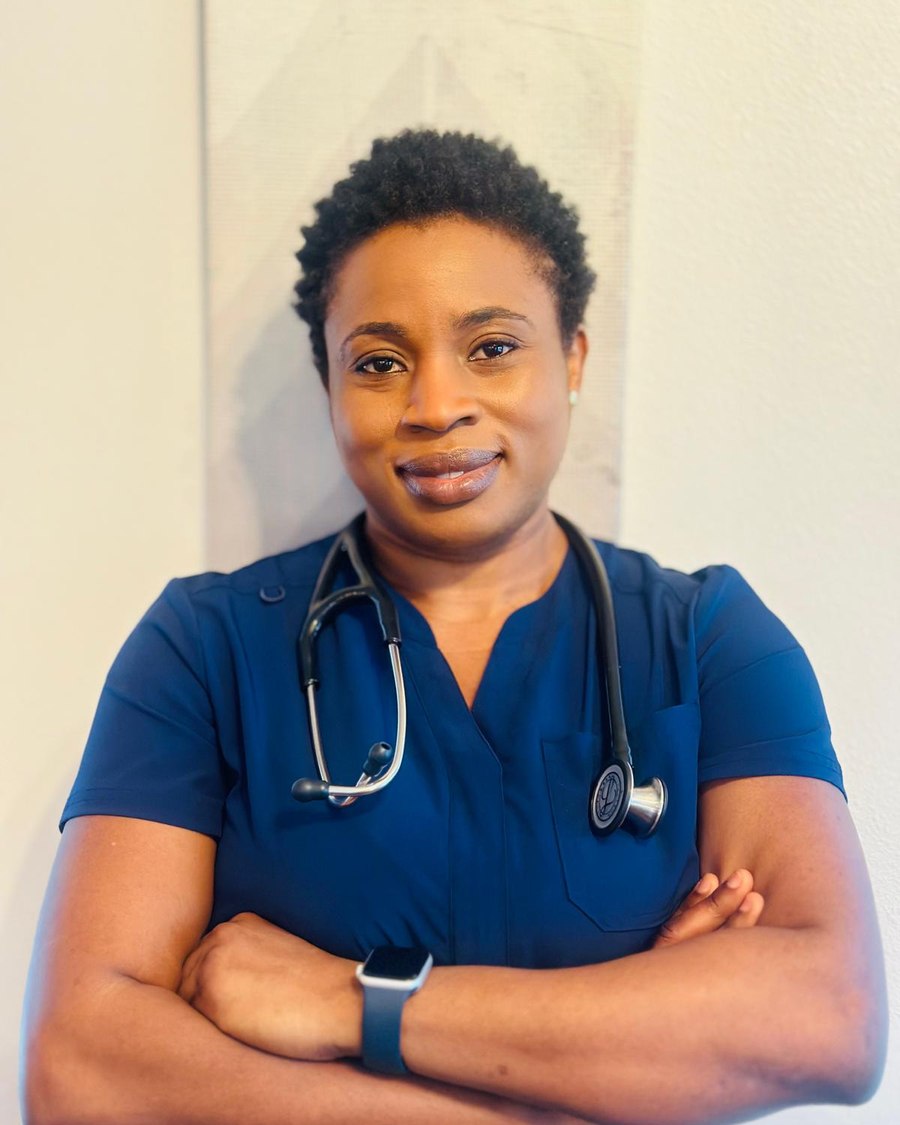

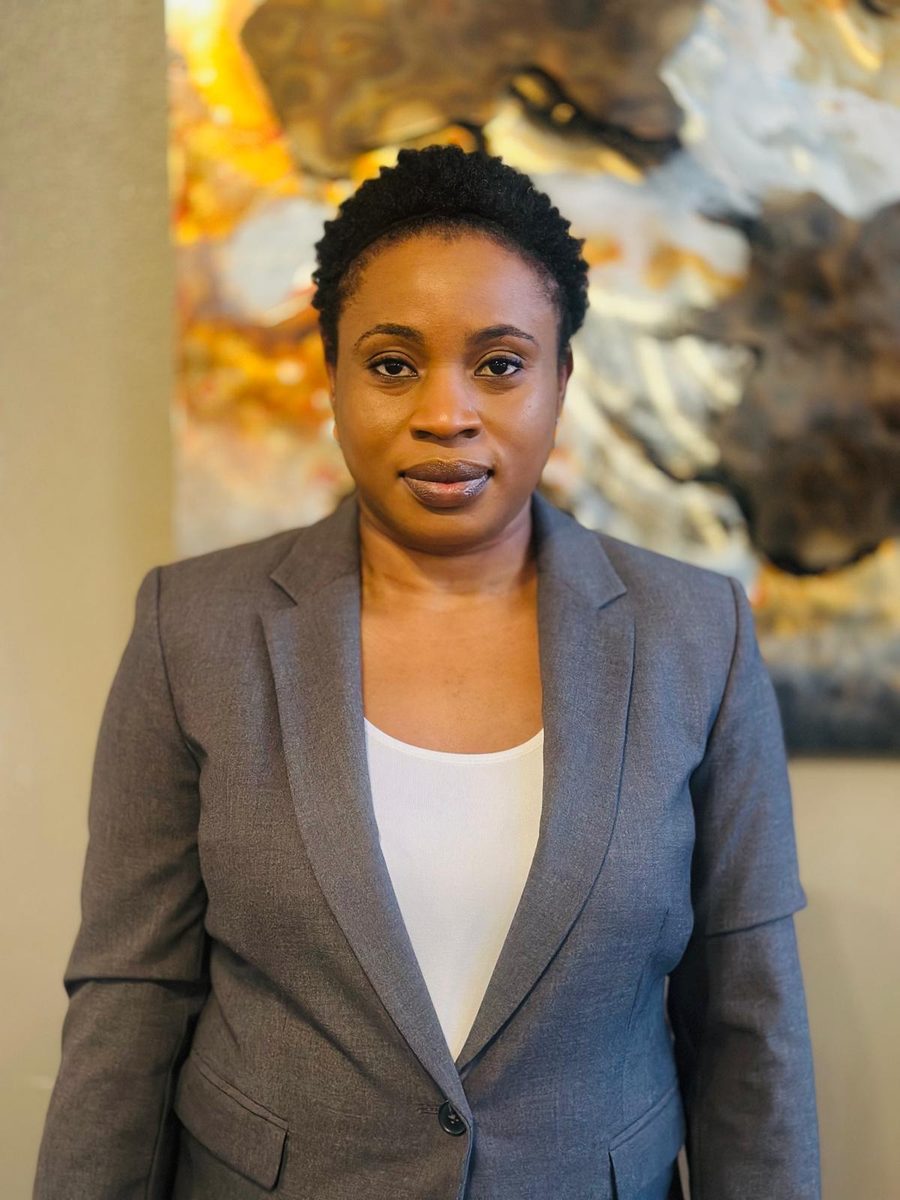
I provide patient-centered nursing care involving assessment, care planning, treatment, patient education, clinical documentation, and interdisciplinary coordination.
I explore technology-enabled approaches for improving nursing decision support, patient-risk identification, workflow efficiency, and clinical outcomes.
My research experience encompasses qualitative and quantitative data analysis, healthcare communication, patient-centered care, palliative care, and healthcare experiences among vulnerable populations.
I translate clinical and research insights into structured approaches for improving how healthcare information supports nursing practice.
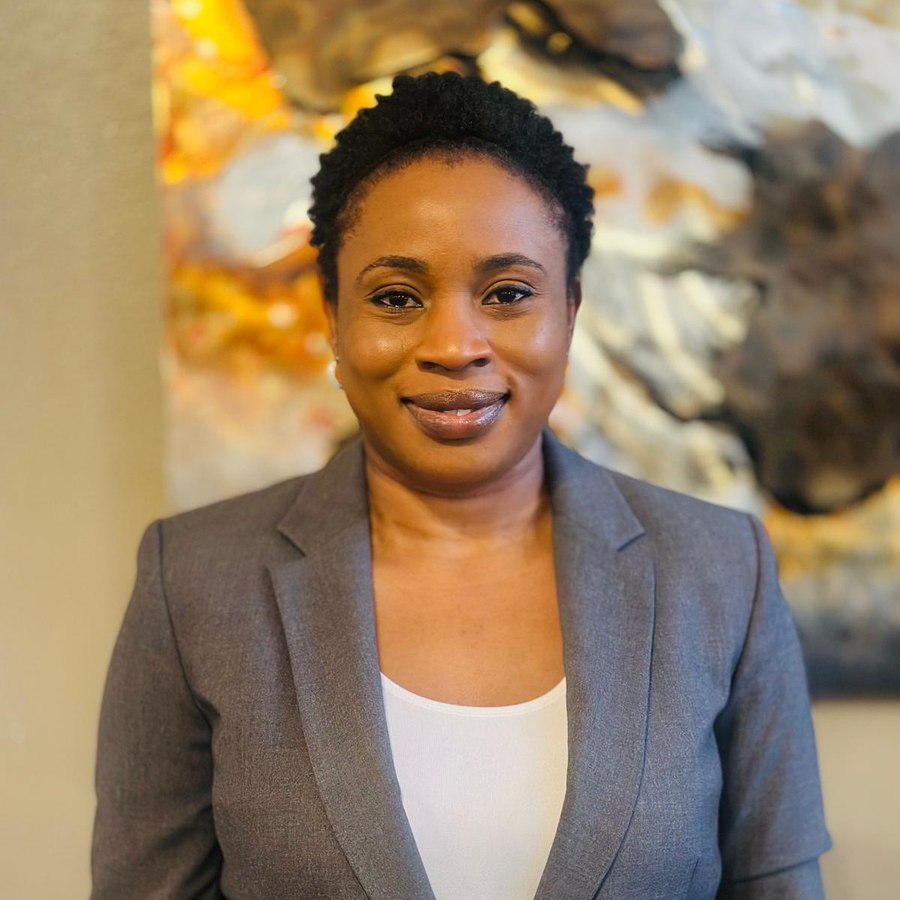
I am a Registered Nurse and Nursing HealthTech professional with an interdisciplinary background spanning nursing, clinical research, technical communication, education, data analysis, and healthcare innovation.
My professional journey has consistently centered on one principle: complex information becomes valuable when it can be translated into practical action that improves people's experiences and outcomes.
Today, I apply this principle to healthcare.
As an inpatient Registered Nurse at Sanford Health, I provide comprehensive nursing care through patient assessment, care planning, treatment, education, triage, follow-up, clinical documentation, and interdisciplinary collaboration. My previous clinical experience at St. Luke's Health System included medical-surgical and oncology nursing support, infection prevention, patient safety, and electronic health record documentation.
My research experience at Boise State University's School of Nursing further developed my capabilities in healthcare-data collection, qualitative and quantitative analysis, visualization, literature synthesis, manuscript preparation, and scholarly dissemination.
These experiences increasingly shaped my interest in Nursing HealthTech Innovation: the application of technology, data, research, and clinical intelligence to strengthen nursing practice and patient care.
I believe healthcare technology should not add complexity to nursing practice. It should help nurses:
See more clearly. Identify risks earlier. Work more efficiently. Make better-informed decisions. Deliver better care.
That philosophy is the foundation of CARENIXA™.
My academic background reflects the interdisciplinary nature of my work.
Ottawa University, Ottawa, KS — continuing professional development.
Boise State University.
Boise State University.
Federal University of Technology, Akure, Nigeria.
This combination of nursing, communication, design, research, and leadership provides the multidisciplinary foundation for my work in Nursing HealthTech.
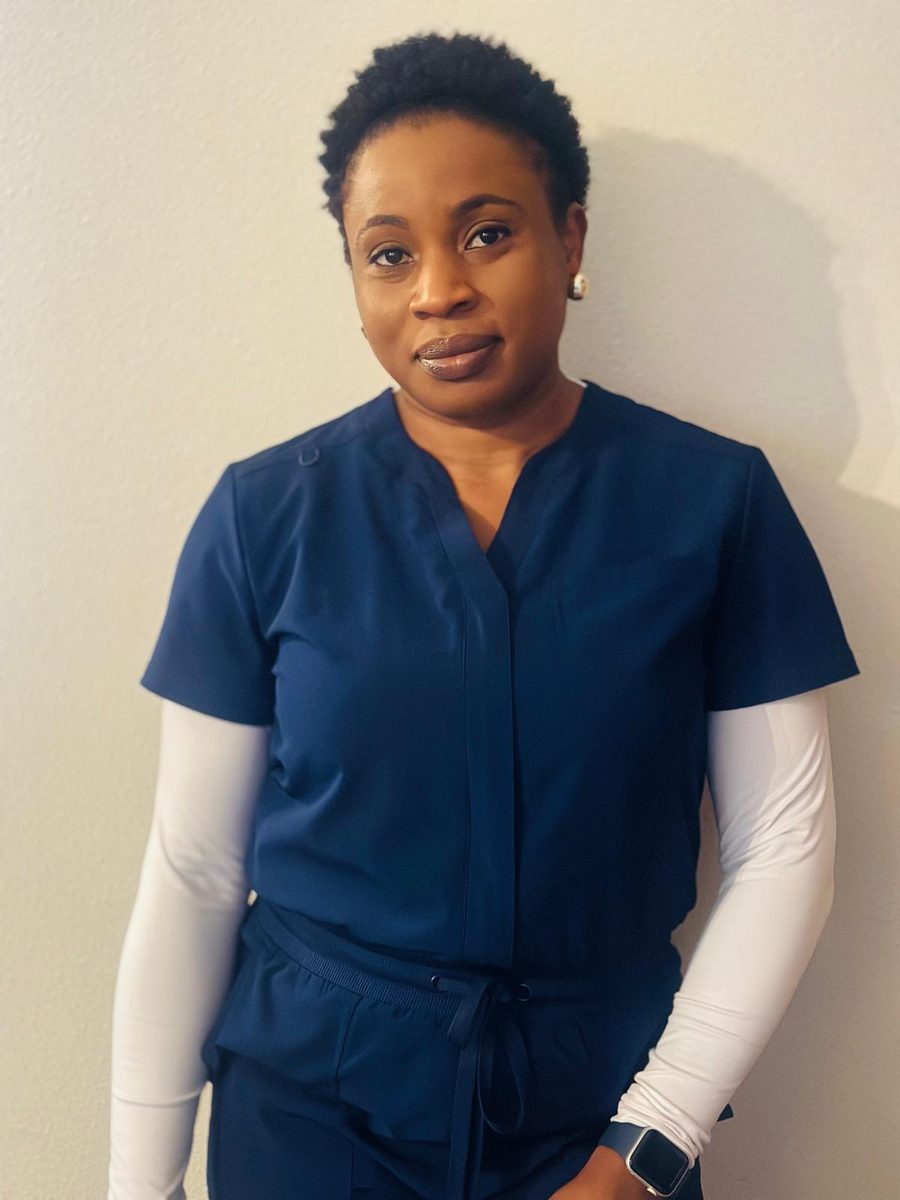
My Landmark Innovative Contribution to Nursing HealthTech.
Healthcare organizations generate enormous amounts of clinical information, but nurses frequently work across fragmented patient records, clinical observations, risk indicators, care plans, documentation requirements, and operational workflows.
The challenge is no longer simply collecting healthcare data.
The challenge is turning that information into actionable nursing intelligence.
I developed CARENIXA™ to address this gap. CARENIXA™ is a proprietary Nursing HealthTech framework designed to help healthcare organizations integrate patient information, clinical risk, nursing workflow, and outcome measurement into one structured care-intelligence model.
Evaluates how effectively nursing assessments, clinical observations, patient information, and care needs are converted into usable clinical intelligence.
Structures relevant patient-risk indicators to support earlier recognition, prioritization, and nursing intervention.
Identifies workflow bottlenecks, documentation inefficiencies, fragmented handoffs, information delays, and opportunities to improve nursing-resource utilization.
Connects nursing activities, technology-enabled interventions, and workflow improvements with measurable patient-care outcomes.
CARENIXA™ is designed to help healthcare organizations move from:
Its purpose is not to replace professional nursing judgment. It is to provide a structured technology-enabled environment that helps nurses use available information more effectively.
CARENIXA™ — Assess. Predict. Optimize. Improve.
Turning Nursing and Patient Data into Clinical Intelligence for Safer, Smarter and More Effective Care.
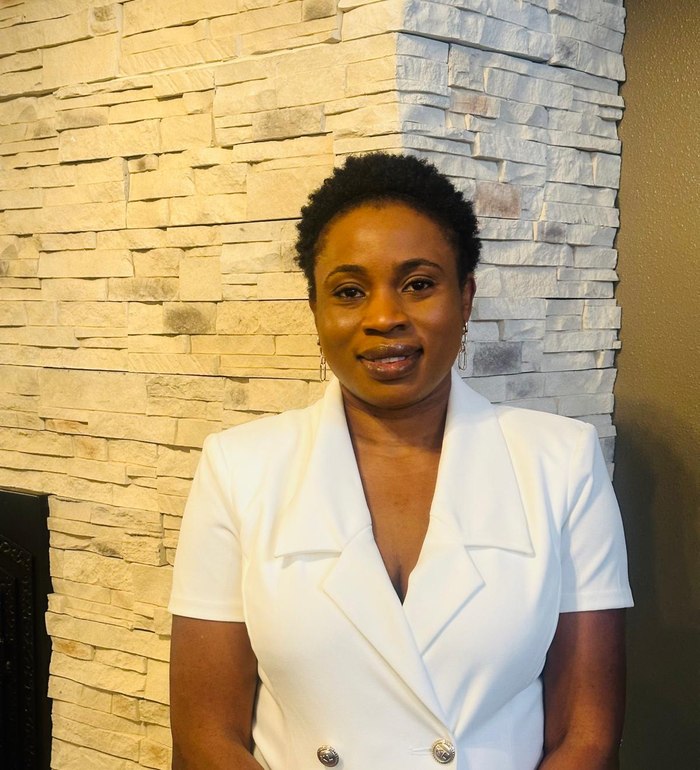
From patient-centered and palliative care research to peer review and scholarly publication, research discipline is what shaped CARENIXA™ from a clinical observation into a structured framework.
Research is central to my approach to Nursing HealthTech.
My work has explored healthcare experiences involving patient-centered care, palliative care, refugee health, culturally responsive healthcare, interpreter-supported care, and serious-illness conversations.
At Boise State University's School of Nursing, I contributed to research through data collection, data security, qualitative and quantitative analysis, visualization, literature reviews, manuscripts, abstracts, posters, and professional presentations.
My broader objective is to translate research findings into practical healthcare solutions capable of improving nursing practice and patient outcomes.
Published in the American Journal of Nursing (2025) with Katherine Doyon, S. Bigger, A. Masarik, K. Snopkowski, M. Temkin-Martinez, and me as a contributing author.
The work reflects my broader scholarly interest in improving healthcare delivery for patients whose experiences and needs may not always be adequately represented within conventional care models.
In 2025, I served as Principal Investigator on a research project supported by a $3,000 Institute for Inclusive and Transformative Scholarship award.
My research development increasingly connects clinical nursing questions with data, technology, and practical healthcare improvement.
I have also participated as a mentee reviewer for the Journal of Clinical Medicine, reviewing scholarly work involving dyadic support and caregiver burden in palliative care.
Peer review complements my commitment to evidence-based nursing and rigorous healthcare scholarship.
My research has been presented across professional forums in the United States, Canada, and the United Kingdom.
These presentations demonstrate the progression of my work from understanding complex patient-care experiences toward developing practical and technology-enabled approaches to healthcare improvement.
My research identified an important broader challenge: healthcare systems possess substantial clinical information, yet the information needed for effective nursing decisions can remain fragmented across systems, assessments, workflows, and patient interactions.
This insight contributed to the development of CARENIXA™.
Rather than limiting my work to healthcare communication, CARENIXA™ expands my research trajectory into a broader Nursing HealthTech model integrating clinical intelligence, patient risk, workflow efficiency, and measurable outcomes.
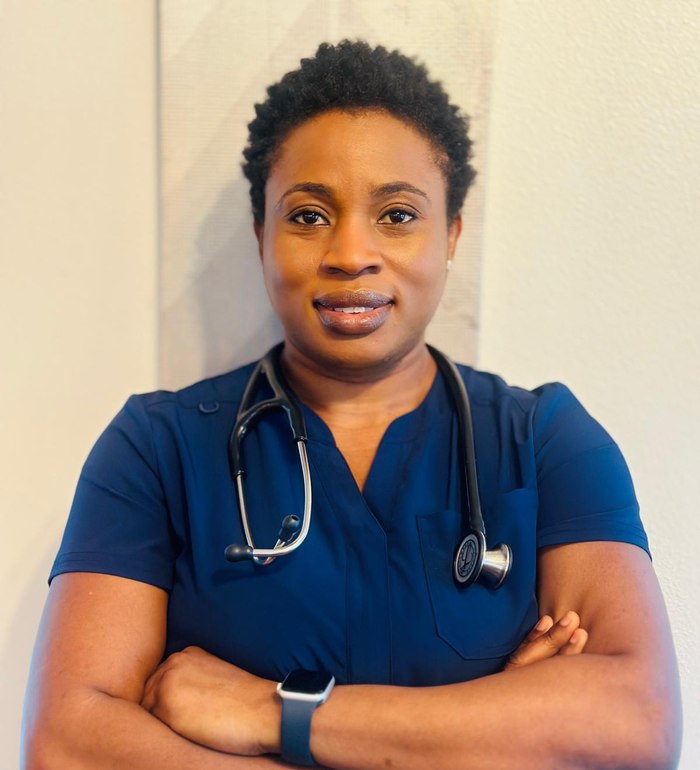
Direct, hands-on nursing experience — from inpatient medical-surgical care at Sanford Health to oncology support at St. Luke's Health System — is the foundation every CARENIXA™ pillar is built on.
I provide comprehensive patient-centered nursing care through assessment, care planning, treatment, education, triage, follow-up, and interdisciplinary collaboration.
My experience included fundamental nursing care, EHR documentation, oncology-related safety practices, infection prevention, and fall-reduction protocols.
My work included:
Before transitioning fully into healthcare, I developed extensive experience in education and professional communication.
Teaching and supporting writing, peer review, learner-centered instruction, and academic development.
Earlier in my career, I worked in branding, corporate communication, customer relationship management, and stakeholder engagement.
This background strengthens my ability to connect clinical knowledge, technology, research, communication, and human-centered design within my Nursing HealthTech work.
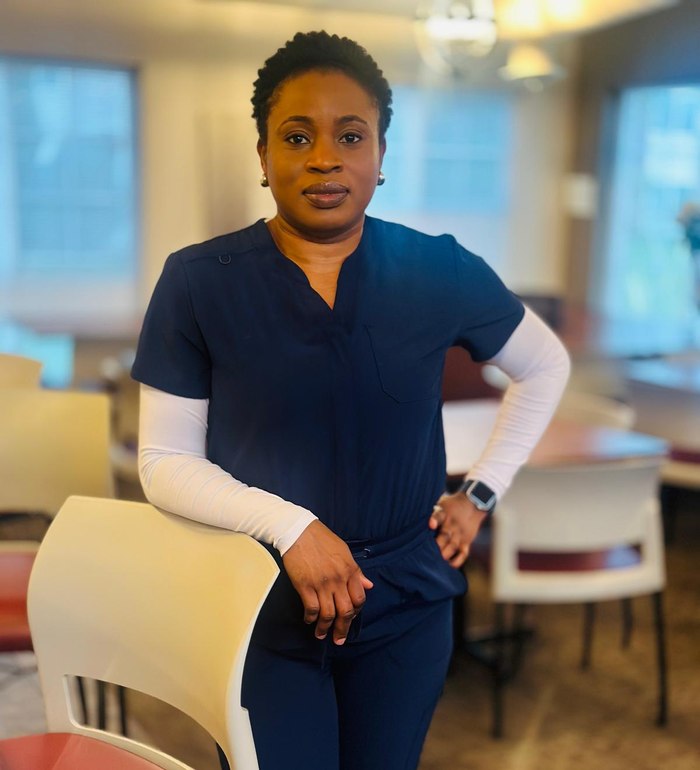
Academic honors, active licensure, and professional membership in organizations like Sigma Theta Tau International and the Hospice and Palliative Care Nurses Association reflect a career built on consistent, evidence-based practice.
My professional journey also includes volunteer service with IPAS and Education as a Vaccine, reflecting my broader interest in healthcare, education, and community impact.
Adebusola Oluwatoba-Adeyemi, MA, BSN, RN — Registered Nurse | Nursing HealthTech Professional | Clinical Researcher | Creator of CARENIXA™
CARENIXA™ represents a central part of my vision: creating a structured bridge between the information healthcare systems already possess and the decisions nurses make every day.